
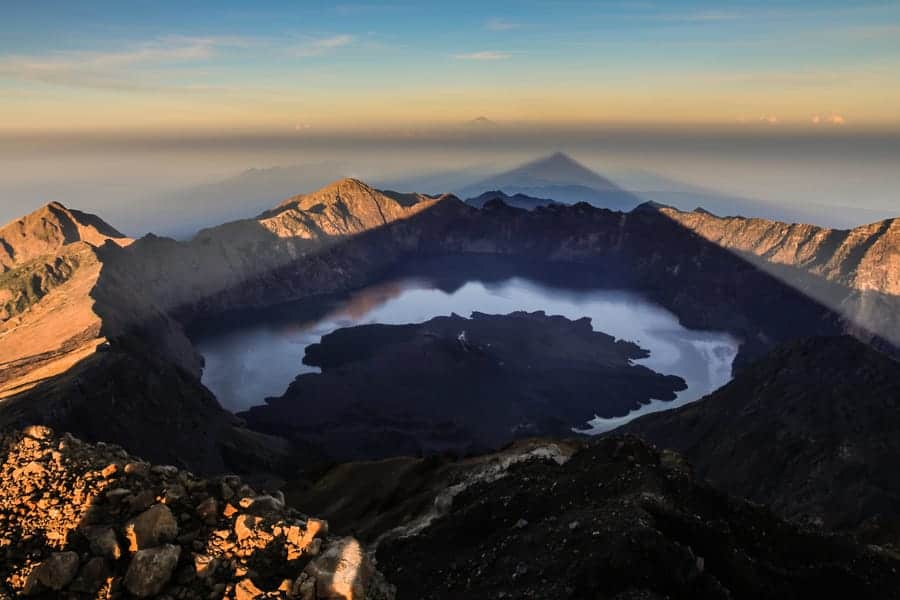
Quick answer
- Mount Rinjani is a volcano on Lombok that stands about 3,726 m. Most first-timers do a 2-day or 3-day trek, and the 3-day trek usually includes the summit and the crater lake.
- A licensed local guide is reported as required, so you cannot just show up and hike alone. Most people book a package that includes the guide, porters, food and the permit.
- Foreign visitors pay a park fee of about IDR 250,000 on the main routes (Sembalun, Senaru and Torean), in effect since 3 November 2025.
- A 3-day, 2-night package typically costs $155 to $325 per person, depending on the operator and group size.
- Check that the trails are open before you book. The park closes during the wet months and has closed for forest fires.
Rinjani is the best-known trek in Indonesia outside Java, and it is a real climb, not a casual hike. The path is steep, the summit push starts in the middle of the night, and the weather can turn cold at the top. This guide explains how it works for a first-timer.
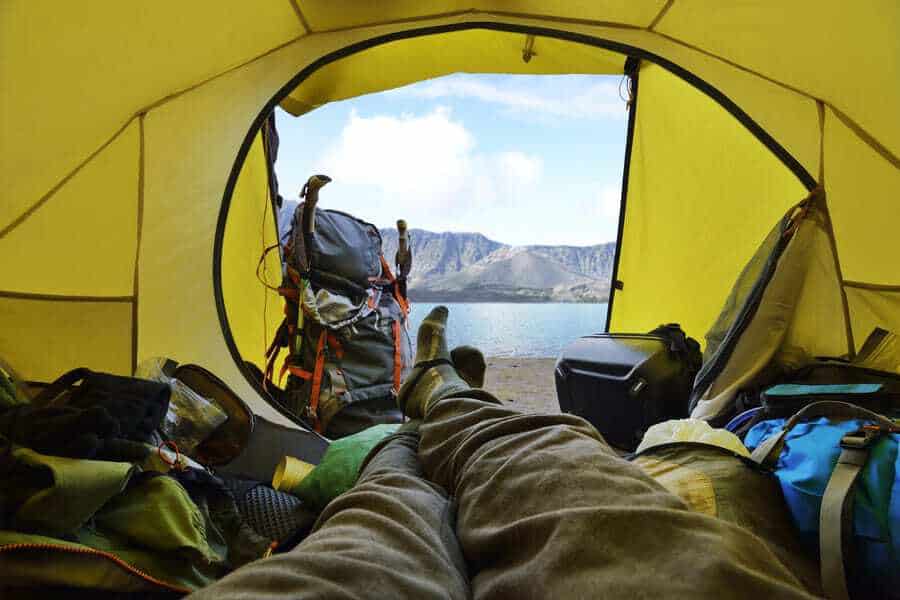
Is Mount Rinjani right for a first-timer?
Yes, if you are reasonably fit and willing to go slowly. You do not need mountaineering experience, but you do need to be comfortable walking uphill for several hours a day. Fitness matters more than gear.
- Expect long uphill sections on loose volcanic ground, and cold nights at the crater rim.
- The 3-day trek gives you more time to rest than the 2-day version, which is why many first-timers choose it.
- If you have heart, lung or knee problems, talk to a doctor first.
Routes for beginners
The park lists three main routes (Sembalun, Senaru and Torean) and three second-class routes (Timbanuh, Aik Berik and Tetebatu). Most first-timers book one of the main routes through an operator.
- Sembalun. The usual starting point for the summit climb.
- Senaru. The forest route on the north side, often used for the crater rim and the lake.
- Torean. A main route that is less used than the other two.
Many treks go up one route and come down another. Ask your operator which one they use and why.
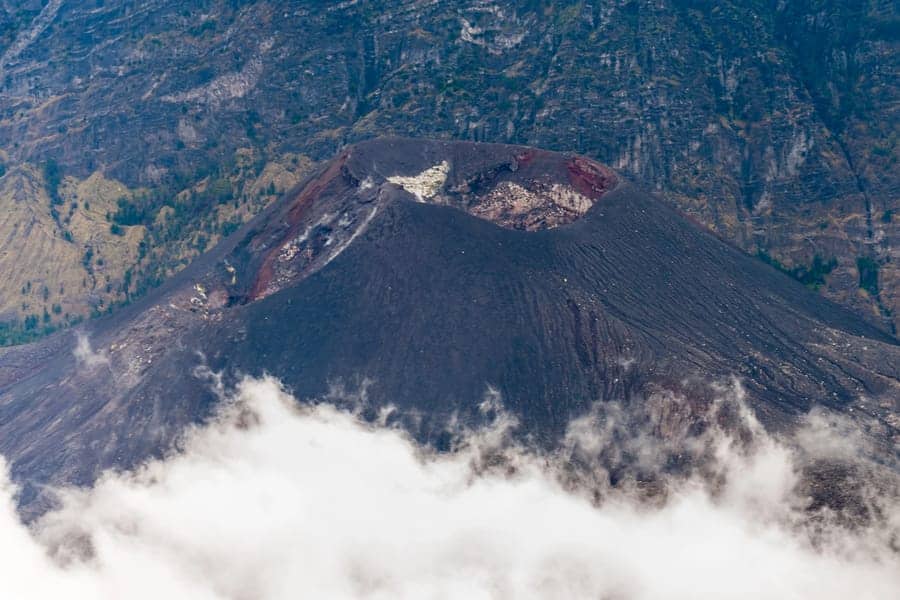
Park fees and what a trek costs
There are two costs to plan for, the park fee and the trek package. The park office announced new rates that took effect on 3 November 2025.
- Main routes (Sembalun, Senaru, Torean). IDR 250,000 for foreign nationals.
- Second-class routes (Timbanuh, Aik Berik, Tetebatu). IDR 200,000 for foreign nationals.
Packages usually bundle the park fee, a guide, porters, meals and camping gear. The table shows rough prices from operators, which vary a lot, so treat them as ballparks.
| Trek | Ballpark (USD) | Note |
|---|---|---|
| 3 days, 2 nights | $155 to $325 | Per person, by group size |
| Private group | Higher | Ask for a quote |
| Extras | Tips, gear hire | Often not included |
Ask exactly what is included before you pay: the park fee, transfers from your hotel, porters, tents, sleeping bags and meals. Cheap packages sometimes leave out the basics.
Looking at a 2-day or 3-day trek? There is a private 2-day, 1-night trek from Senaru to the crater rim for a shorter climb, and a 3-day, 2-night Rinjani trek for more time to rest. Compare what each one includes against the list above, since prices and inclusions change by date and group size. Book on Viator.
Guides and permits
Climbing Rinjani is reported to require a registered permit and a licensed local guide, so solo climbs are not allowed. In practice, the operator handles the booking. Before you choose one, ask whether they are licensed, how many hikers they take per guide, and how they treat their porters.
When trails are open
Rinjani does not stay open all year. The park has closed during the wet months, and in 2026 climbing reopened on 1 April. A closure for forest fires then ended in early October 2026, when all five hiking routes were reported as operating normally. Rules and dates change, so confirm the status with your operator before you book flights.
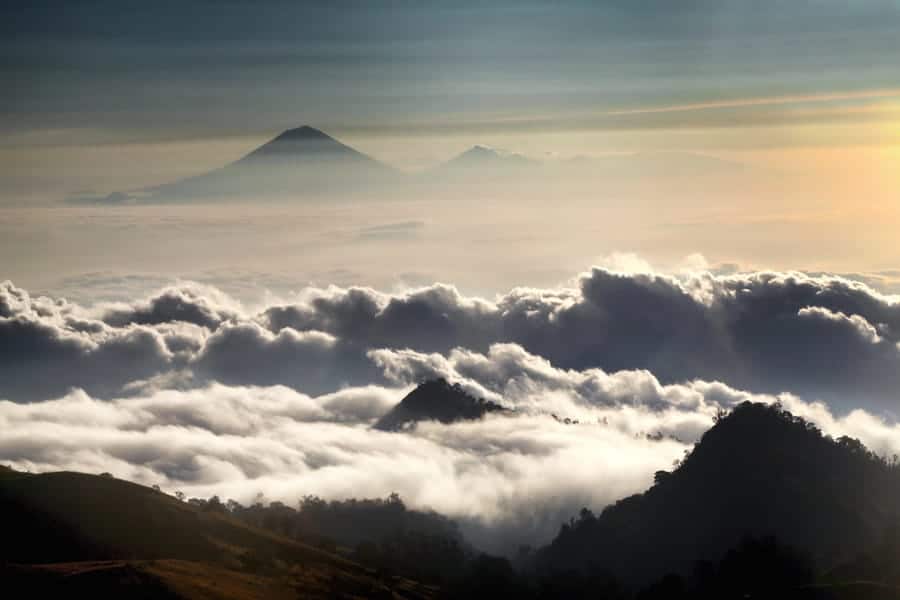
What to pack
- Warm layers, a windproof jacket and a hat for the cold summit morning.
- Sturdy hiking shoes with good grip, plus trekking poles if you have them.
- A headlamp, since the summit push starts in the dark.
- A water bottle and snacks, plus a small first-aid kit.
- Sunscreen and sunglasses for the exposed sections.
- Cash for tips and small purchases, since there are no ATMs on the mountain.
Getting to Lombok
Most travelers reach Lombok by plane or by boat from Bali or the Gili islands. Operators normally include a hotel pickup in the package, so ask where it starts. If you are combining the trek with a beach stay, our Gili Islands travel guide and the three Gili Islands overview help you plan it, and the Lombok souvenirs list helps with gifts afterward.
Want a night near the trailhead? Many treks start from Sembalun or Senaru. Check rates in Sembalun or Senaru if you want to sleep close to the start.
Safety and insurance
A medical evacuation from a volcano is expensive, so read our note on travel insurance and check that your policy covers trekking at altitude. You can compare policies with Visitors Coverage before you go. For connection on the mountain, see our Wi-Fi and phone tips. Entry rules are the same as the rest of Indonesia, and our Bali visa guide covers them.
Frequently asked questions
How many days do I need for Mount Rinjani?
Two days is the shortest option, and three days is the common choice for first-timers because it includes the crater lake and more rest.
Do I need a guide for Rinjani?
Yes. A licensed local guide is reported as required, so book through an operator that provides one.
When is the best time to climb Rinjani?
Choose the dry months when the trails are open. Check the park status first, because closures happen in the wet season and during fire risk.


